


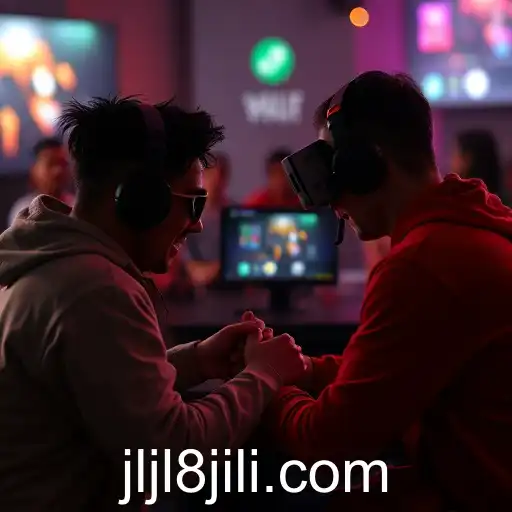
Exploring the rapid growth of online gaming communities and their impact on digital collaboration.
In recent years, the online gaming landscape has witnessed an unprecedented surge in community engagements and collaborations, largely driven by platforms like "jljl8". As we navigate through 2025, these digital spaces have evolved into more than just entertainment hubs, becoming vital centers for social interaction and collaboration.
Online gaming has expanded its horizons from solo play to a vast network of interconnected communities spread across the globe. Platforms like "jljl8" have become breeding grounds for creativity and development, encouraging players to find new friends and allies. This trend reflects a broader shift in how we communicate and collaborate online, as seen in the increasing diversity of game genres catering to different skill sets and interests.
The economic implications are equally significant. Companies within the industry have noted increased revenue streams from community-driven features like user-generated content and esports.
In addition to traditional forms of gaming, "jljl8" has embraced technological advances such as virtual reality and AI, creating immersive experiences that break down geographical barriers and foster digital collaboration. This evolution is shaping the future of gaming communities, offering limitless potential for players to explore virtual worlds and unite with others despite physical distances.
This digital convergence has also sparked discussions about the future of social interactions, exploring how digital environments may change our understanding of presence and community. As communities grow, it is crucial to recognize the importance of fostering inclusive spaces that encourage diversity and participation from all individuals. The era of online gaming is not just a pursuit of digital diversion but a testament to the resilience and adaptability of human interaction in a rapidly changing world.

